Choosing the right exterior paint is about more than making your home look attractive. In Chelsea, London, where elegant period properties sit alongside modern townhouses and converted apartments, the right paint must complement the architecture while standing up to changing British weather.
If you are searching for the best exterior house paint in Chelsea, it is worth considering the condition of your walls, the type of surface being painted, and how much maintenance the finish will require. A beautiful colour can transform a property, but even premium paint may fail prematurely if the surface has not been prepared properly.
Hurlingham Painters understands the importance of combining careful preparation, suitable materials, and skilled workmanship to achieve a professional finish. Whether you are refreshing a traditional London townhouse or updating a contemporary property, a well planned painting project can protect your home while enhancing its appearance.
What Makes the Best Exterior House Paint in Chelsea?
The best exterior paint depends on the property’s surface, exposure to weather, and existing finish. There is no single product that works equally well on every building.
London properties experience rain, damp conditions, temperature changes, and periods of strong sunlight. Exterior paint must therefore provide suitable weather resistance while allowing the underlying surface to perform as intended.
When choosing paint, consider these essential factors.
1. Weather Resistance
Exterior walls need protection from rain and moisture. A suitable masonry paint should resist weathering and help prevent water penetration through the painted surface when used as part of an appropriate wall system.
However, paint cannot solve every damp problem. If a wall has persistent moisture, damaged pointing, leaking gutters, or defective render, those issues should be investigated before painting begins.
For example, if the paint on a garden facing wall repeatedly bubbles after winter, simply applying another coat may only hide the problem temporarily. Identifying the moisture source first can help prevent repeated repairs.
2. Breathability and Surface Compatibility
Traditional London homes may feature brickwork, lime based render, older masonry, or previously painted surfaces. These materials do not all respond to paint in the same way.
Some older buildings require a breathable coating that allows moisture vapour to escape. Using an unsuitable coating can contribute to peeling, blistering, or deterioration when moisture becomes trapped.
Before choosing a product, a professional painter should assess the substrate and existing coating. The correct paint for modern render may not be appropriate for historic masonry.
3. Colour Retention and Finish
Exterior colours can look different in natural daylight than they do on a small colour chart. A warm white might appear creamier against red brick, while a cool grey could look noticeably darker on a shaded elevation.
For Chelsea properties, understated shades such as warm white, soft stone, muted grey, and traditional cream can complement many architectural styles. Deeper colours may work well on selected doors, window surrounds, and other details.
Test sample colours on the actual surface before committing to the full project. Check them in morning light, afternoon light, and shade to understand how the finished property will look.
Choosing Exterior Paint for Different Property Types
Chelsea contains a varied mix of architectural styles, so selecting paint should begin with the building itself.
Period Homes and Traditional Townhouses
Traditional properties often benefit from colours that respect their original architectural character. Warm neutrals, restrained off whites, and complementary tones around windows and entrance doors can create a refined appearance.
Before painting, inspect older render, masonry, timber frames, and decorative details. Loose paint, failing sealant, and damaged surfaces should be addressed before new coatings are applied.
Where a property is listed or located within a conservation area, check the relevant planning requirements before changing its exterior appearance. Certain alterations may require permission.
Modern Homes and Renovated Properties
Contemporary properties may suit cleaner colour combinations and more understated finishes. Soft grey, off white, and neutral stone shades can create a consistent look without overwhelming the building’s design.
The important consideration is choosing a coating suitable for the actual surface, whether it is rendered masonry, timber, metal, or another material.
Exterior Woodwork and Window Frames
Windows, doors, fascias, and other timber elements require different preparation and products from masonry walls.
Timber should be checked for rot, damaged joints, and failing coatings. After suitable preparation, use a compatible exterior wood primer and finish system.
A high quality finish will only last when the underlying material is sound and the paint is applied according to the manufacturer’s instructions.
Why Preparation Matters More Than Many Homeowners Expect
One of the most common reasons exterior paint fails early is inadequate preparation.
Applying new paint over chalky, peeling, dirty, or unstable surfaces prevents proper adhesion. The fresh finish may initially look impressive, but problems can appear after exposure to rain and changing temperatures.
A thorough preparation process typically includes:
- Inspecting walls and identifying cracks, loose render, and moisture problems.
- Cleaning the surface to remove dirt, algae, and other contaminants.
- Removing loose or failing paint using an appropriate method.
- Repairing surface defects and allowing repairs to dry properly.
- Applying the correct primer or stabilising treatment where required.
- Using compatible exterior paint under suitable weather conditions.
Not every property requires the same preparation. Sound existing paint may only need cleaning and light preparation, while heavily weathered masonry could require more extensive repairs.
Professional assessment helps establish the right approach before work begins, reducing the risk of unnecessary expense and premature paint failure.
Painting Interior Walls in Chelsea: Creating a Consistent Finish
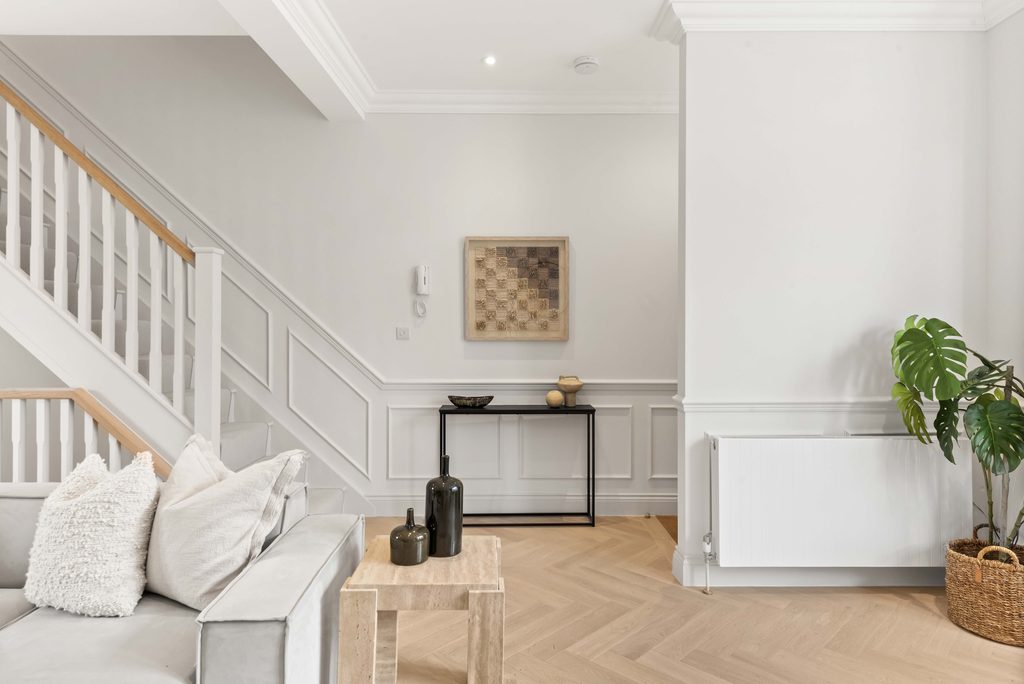
Exterior improvements often lead homeowners to consider the inside of their property as well. Painting interior walls in Chelsea can refresh tired rooms, improve the appearance of natural light, and create a more cohesive interior design.
The best results begin with understanding how each room is used.
For example, a hallway in a busy family home may need a durable, washable finish that handles everyday contact. A bedroom might benefit from a softer matt finish that creates a calm atmosphere, while a kitchen may require a coating designed to withstand regular cleaning.
Select Paint According to the Room
Different spaces place different demands on interior paint.
- Living rooms: Matt finishes can help create a smooth, understated appearance and reduce the visibility of minor surface imperfections.
- Hallways and staircases: Durable, washable finishes can be practical in areas with frequent contact.
- Kitchens: Choose a suitable finish designed for cleaning and everyday wear.
- Bathrooms: Use paint formulated for humid environments, alongside proper ventilation and effective moisture control.
The paint sheen also affects the final appearance. Higher sheen finishes may be easier to clean, but they can make surface imperfections more noticeable.
Prepare Interior Walls Properly
Before painting, inspect walls for cracks, loose plaster, stains, and previous repairs. Fill and sand imperfections, clean the surface where necessary, and use an appropriate primer on repaired or problematic areas.
For example, painting directly over a repaired plaster patch can leave visible differences in colour and sheen. Proper preparation and priming help create a more uniform finish.
If walls have mould or persistent damp patches, identify and address the underlying cause before painting. Specialist coatings should not be treated as a substitute for resolving moisture problems.
Coordinate Interior and Exterior Colours
A consistent colour palette can help a property feel more considered. Exterior stone shades may work well with warm interior neutrals, while darker entrance doors can create contrast against lighter walls.
There is no need to use identical colours throughout the house. Instead, choose tones that complement one another and suit the property’s lighting, furniture, and architectural details.
How to Get Better Value From a Professional Painting Project
The cheapest quote is not always the most economical option. A useful quotation should explain the areas being painted, preparation work, repair requirements, paint specification, number of coats, and any exclusions.
When comparing painters, ask whether materials are included and how unexpected repairs will be handled. Clarify whether scaffolding or specialist access equipment is required for difficult exterior areas.
It is also worth discussing timing. Exterior painting generally requires suitable weather and a surface that meets the paint manufacturer’s temperature and moisture requirements. Rushing the application in unsuitable conditions can affect adhesion and drying.
Hurlingham Painters can be contacted to discuss painting requirements and establish the appropriate scope of work for your property. A clear assessment before work starts helps set realistic expectations for appearance, preparation, and maintenance.
Conclusion
Finding the best exterior house paint in Chelsea involves more than choosing an attractive shade. The right product must suit the building material, withstand local weather conditions, and work with a properly prepared surface.
From traditional townhouse exteriors to carefully finished interior rooms, successful painting depends on thoughtful colour selection, appropriate materials, and attention to detail.
If you are planning exterior improvements or considering painting interior walls in Chelsea, visit Hurlingham Painters to discuss your project and explore professional painting services.
Frequently Asked Questions
1. What is the best exterior house paint for homes in Chelsea?
The best option depends on the surface. Quality masonry paint may suit rendered walls, while timber windows and doors require compatible wood coatings. Always assess the existing finish and any moisture issues before selecting a product.
2. How often should a house exterior be repainted?
There is no fixed interval for every property. Paint quality, surface preparation, exposure to weather, and building condition all affect durability. Inspect exterior walls regularly and arrange maintenance when cracking, peeling, or fading becomes noticeable.
3. Can exterior paint be applied over old paint?
Yes, if the existing coating is sound and compatible with the new system. Loose, flaking, or chalky paint should be addressed first. A professional assessment can determine whether additional preparation or priming is necessary.
4. What colours work well for Chelsea townhouses?
Warm white, cream, soft stone, and muted grey are versatile choices for many traditional properties. The best shade depends on the brickwork, architectural details, natural light, and any applicable conservation requirements.
5. What is the best finish for painting interior walls in Chelsea?
Matt finishes suit many living rooms and bedrooms, while durable washable finishes can be useful in hallways and busy family spaces. Kitchens and bathrooms may require specialist formulations suited to their conditions.
6. Should damp walls be painted immediately?
No. First identify and address the source of moisture. Painting over damp walls can lead to blistering, peeling, or recurring stains. Allow the surface to dry sufficiently before applying a compatible coating.
7. Why hire professional painters for exterior painting?
Professional painters can assess surface conditions, recommend suitable materials, prepare the substrate, and apply coatings correctly. This can improve the final appearance and help reduce the likelihood of premature paint failure.